17th Century | 18th Century | 19th Century | 20th Century
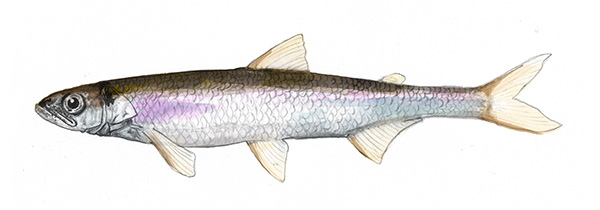
A smelt is small fish, generally less than 8 inches in length. Smelt in Maine migrate to fresh water streams to spawn in the late winter and early spring, with the timing varying by location. West of Penobscot Bay, runs are typically from March to early May, while east of the bay, they run from late April to mid-June. The peak of the run can last for only a few nights, and the spawning activity primarily occurs at night in cool, shallow waters. It was said that the Smelt Brook in York would have so many smelt during this time that “you could almost walk across the brook on them”.
Native Americans have a long history of harvesting smelt, an oily fish, for food and its high fat content. Smelt were particularly important, providing a crucial food source after winter and a tradable commodity for tribes inland. Culturally, the arrival of the smelt run often marked the start of spring, and they were consumed in various ways, including being dried, smoked, or rendered for their oil. The return of the smelt to rivers in the spring was a significant event, often called the "salvation fish" because it coincided with the end of winter and the depletion of stored food supplies. Native peoples used techniques like dip netting to scoop the abundant fish from the water. The fish's run was an important part of the seasonal calendar for many tribes, with specific moons (months) being associated with smelt or other fish.
Smelts are an important winter catch in the saltwater mouths of rivers in New England. Fishermen would historically go to customary locations over the ice using horses and sleighs. Smelt taken out of the cold saltwater were preferred to those taken in warm water. The fish did not command a high price on the market, but provided a source of supplemental income due to their abundance. The smelts were "flash frozen" simply by leaving them on the ice and then sold to fish buyers who came down the rivers.