17th Century | 18th Century | 19th Century | 20th Century
“York, Kittery, Berwick, Wells, Arundel & Pepperrell consists of 1194 souls in which 43 are French Neutrals & 203 negroes.” December 18, 1764 – David Sewall Census (Museums of Old York #469)
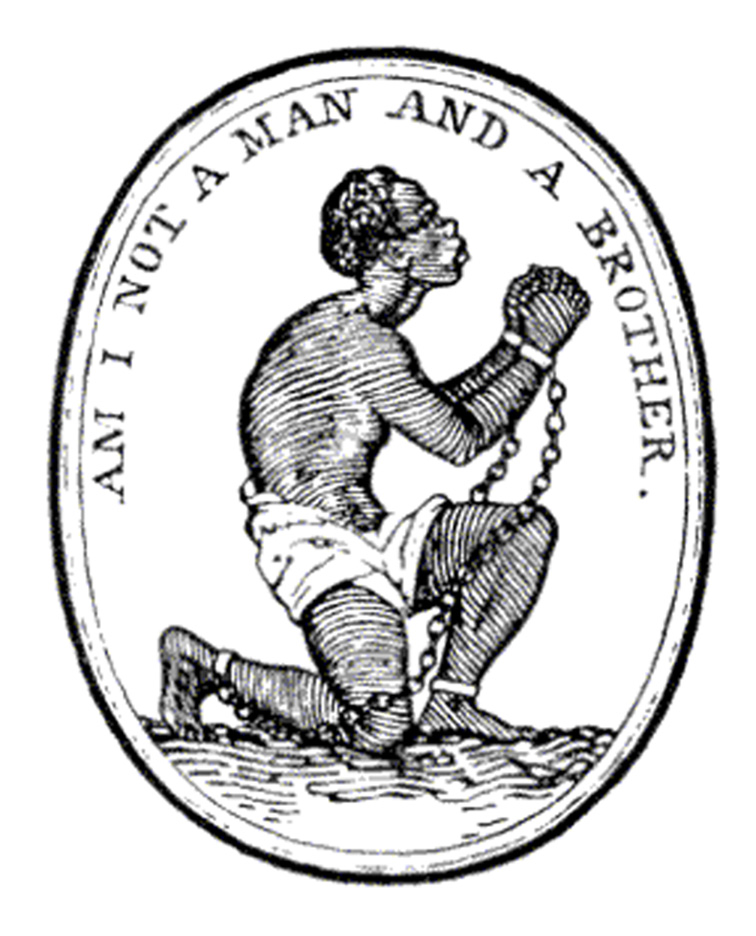
The following is a list of Enslaved persons that lived in York and have been identified by primary sources. For the complete document please follow this link: https://docs.google.com/spreadsheets/d/164IObELPHQygQt1AaMAotOgehcJEC9B8KhpuqHOCuzQ/edit?usp=sharing
Name of En-Slaved Person followed by owner:
Titus – Jeremiah Moulton Jr
Dinah – Nathaniel Donnell
Flora – Peter Nowell1
Phillis – Peter Nowell1
Peg – Peter Nowell1
Old Indian woman – Peter Nowell1
Essex – John Nowell
No Name Referenced – James Donnell
No Name Referenced – James Donnell
No Name Referenced – James Donnell
No Name Referenced – James Donnell
Primus – Joseph Plaisted
Diana – Joseph Plaisted
Marea – Joseph Plaisted
Zilph – Joseph Plaisted
George – Andrew Grover
Jack – Deacon Bragdon
Joseph – Jeremiah Moulton, Esq
Wm Hart – John Nowell
Cambridge – Joseph Swett
Philip – John Storer
Portsmouth – John Woodbridge
Prince – Jonathan Sayward
Sharper – Cain C Came
A Black – Nancy Talpey
Tom – Richard Talpey
Ann – Richard Talpey
Silas – Daniel Clark
Phillis – Daniel Clark
York First Parish Church
Phebie – Elizabeth Stover
Jonathan – Elizabeth Stover
Jerusha daughter of Negro woman – Elizabeth Stover
George Washington – Stephen Weare
Dinah - Captain John McIntire
Prince - Keziah McIntire (daughter of Alexander McIntire, married to Joseph Came)
The life of a Colonist was dependent on labor to provide even a meek livelihood. People who moved to York primarily had themselves to rely on to create a homestead and support system to live a life that was better than what they left behind in Europe. Slavery was a convenient way to circumvent the immense task of manual labor required to sustain oneself and a family.
Although there is not a lot of supporting evidence to elucidate the reader on a likely scenario of what was required to accomplish a labor pool that must have existed for the timber industry alone, we can use our active imagination. If one has engaged in the processing of lumber or harvest of firewood, there is no question of the immense physical labor required. To clear a small area for a primitive cabin and space for a garden was a grueling adventure. When this is multiplied over thousands of acres to harvest lumber for a hungry sawmill it becomes reasonable to wonder, from where did the labor come? Although there is no indication Slavery mirrored what was happening in the Southern Colonies, the question of labor does not rest easy.
Enslaved Africans were not the only victims of enslavement. Indigenous people were also captured and enslaved. They were also sold as enslaved people to traders who had bought and then sold them to Slave markets in the Southern Colonies and the Bahamas. Natives were said to be more passive and easier to incorporate into domestic activities than their African counterparts.
Commonwealth of Massachusetts v. Nathaniel Jennison abolished slavery in 1783. Although thereafter it was unlawful to practice in the trade of slavery, it took a while for slavery to mean Enslaved people were free to go. For example, where could they go? Many stayed where they were—under the title of domestic servants. There are some exceptions and one is of Caesar Talpey who was the first Enslaved and emancipated person likely to own property in York.
Caezar purchased land from Nathaniel Donnell in 1792, bounded by his previous owner, Richard Talpey, to the North. We can assume Caezar was freed when Slavery became illegal in Massachusetts in the 1780’s. From the deed (YCRD book 54 page 176) I have used the tools on the Town of York tax maps to draw the location of the property lines taken from the deed. The first drawing represents the measurements as accurately as possible from the deed reference. The second drawing shows 4 acres with a slight liberty to tweak the triangle into conforming. This effort is preliminary and not conclusive but it gives us a general idea of where a Slave owned property and lived in Cape Neddick in the later part of the 18th Century. Here is the description in the the deed... “These presents do give grant, bargain, Sell, alien release convey + confirm to him the said Caesar his heirs and assigns four Acres of Land lying in York, aforesaid bounded as follows beginning at a Stake and heap of Stones by the highway Leading from York to Wells + running North thirty five Degrees West forty one rods (676.5 feet) to Richard Talpey’s Land thence south Eighty two Degrees East by said Talpey Land till it come to the highway aforesaid thence Southwesterly by said highly to the first mentioned Bounds”
“Slaves are generally treated with kindness by their masters…The old Weare house in York, which stood about three-quarters of a mile east of Freeman’s tavern, and which was taken down a few years ago, was at one period a slave factory. Here were several Negro families and many Negro children were sent from it to market. How this traffic was managed we are unable to state. But we are well assured that many scenes were witnessed there, on such occasions, which would make the heart ache.” Edward E. Bourne, The History of Wells and Kennebunk, Portland, B. Thurston and Company, 1875
Slavery has been practiced throughout history. People have been subjugated by race, religion and geographic location. As we study the history of enslaved people in York there seems to be an imbalance of information when we compare what it would take to run a large farm or mill industry. Generally the merchants, traders and farm owners, were not the people engaged in labor. The labor pool available to Colonists is veiled by lack of records, perhaps. Records were kept for land and personal belongings and occasionally chattel. Conjecture might lead one to consider the enslavement of others was not an admirable quality those in York wished to be remembered by.