17th Century | 18th Century | 19th Century | 20th Century
The Gulf of Maine stretches along the Eastern Seaboard northeast from Cape Cod to Nova Scotia. To seaward, the gulf is bounded by the Georges Bank, which is part of the chain of shallow fishing zones along the continental shelf ending at the Grand Banks of Newfoundland. When John Cabot, the Italian explorer in English service, crossed the Atlantic Ocean in 1497 he noted that there were so many cod on the Grand Banks that they "can be taken not only with nets but with fishing baskets." This report encouraged English, Basque, Portuguese, Spanish and French fisherman to begin annual voyages to the New World to fish for large cod. The cod were also used to trade for food and furs with the Native Americans for decades before the first settlers.
The cod they harvested were beheaded, gutted, split in half lengthwise, then lightly salted to draw the water out of the flesh, and finally air dried until very hard. This cured cod would be stockpiled for months until the ships were sailed back to Europe at the end of the fishing season. Whether it was called bacalao by the Spanish, Portuguese and Basque, morue by the French, salt fish by the English or makayabu by Africans, preserved cod became a central ingredient in the cuisines and cultures of many countries bordering the Atlantic.
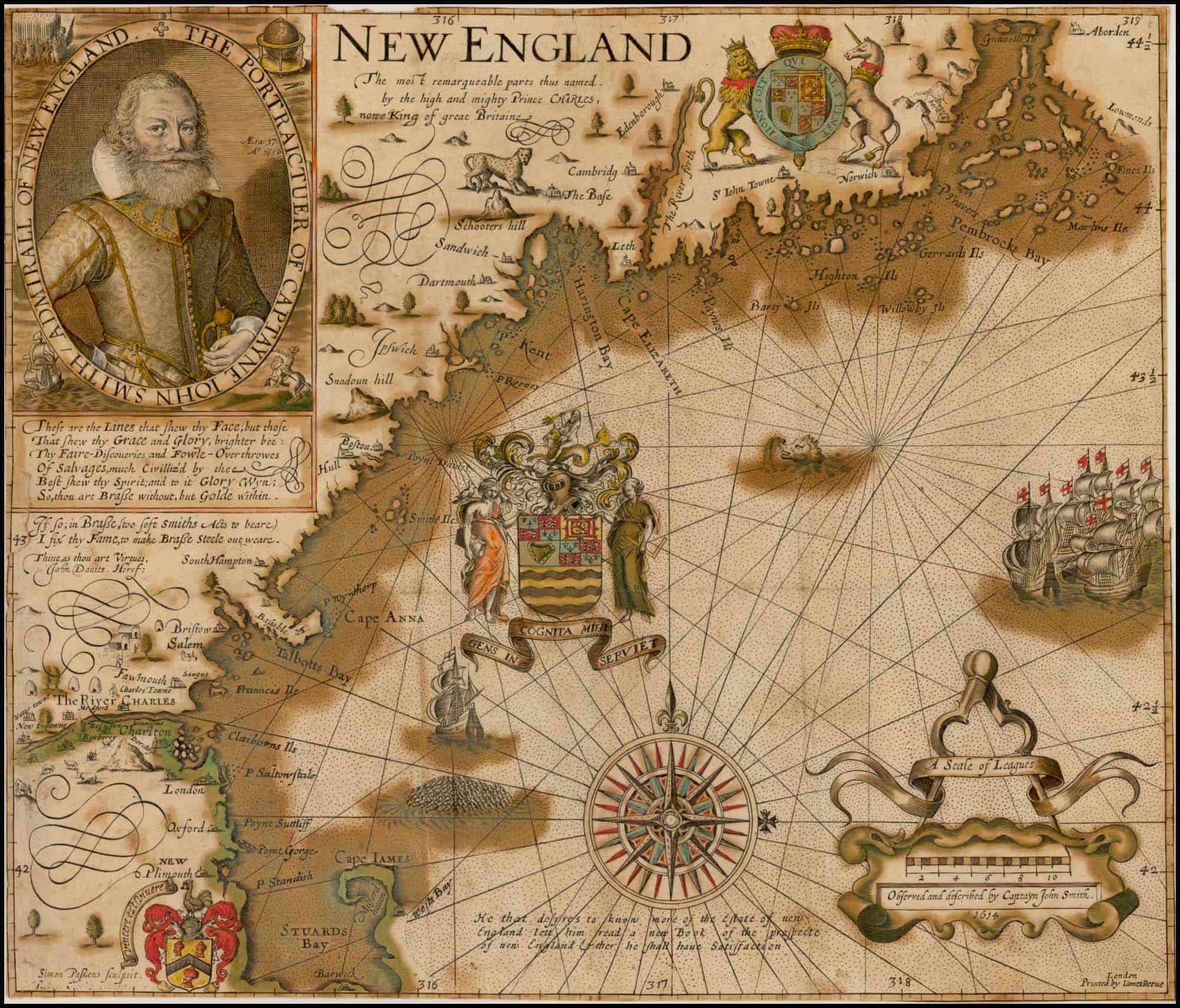
By the 1600s, the Gulf of Maine was discovered to have plentiful fish stocks as well. Explorer, Bartholomew Gosnold, decided to honor the most abundant fish they caught when he named Cape Cod. It was the potential for profiting by fishing and the mapping that Captain John Smith did of the New England coast that attracted the Plymouth Colony to settle on that cape in 1620. Soon after, fishing stations were established along the coast of Maine on Monhegan, Damariscove, Southport and Matinicus islands. Initially, the British colonists fished in small boats that took to sea in the morning to find the cod that swam close to shore to spawn. The fishermen used hooks, lines and sinkers to land their catch, and they returned home each night. Once ashore this cod was salted and preserved, and as with any foodstuff, they produced differing grades of quality for sale.
Maine fisherman started processing the cod aboard their vessel. After the head, entrails and backbone were removed, they were salted and stowed down below. Once the vessel returned to its home port, the cod were salted again, then laid out to air dry on wooden slats called flakes. These flakes could be seen at York Harbor. Once dried, they were packed in heavy wooden boxes for export.
Soon a triangular trade pattern then developed from New England. Salt cod was shipped to Europe, where the higher quality fish was traded for wine, fruit and other products that were needed on plantations in the West Indies. Once in the Caribbean, the European trade goods and the lower quality salt cod were sold. This cod, called West India cure, was used to feed the slaves on the plantations. Sugar, molasses (for making rum), cotton, tobacco and salt were then purchased in the Caribbean and sent back to New England. There the whole trading process began again.
The importance to Great Britain of the cod fisheries in their New England colonies was summed up by William Pitt the Elder in a speech before Parliament, in 1763, when he pronounced that cod was "British gold." In the Massachusetts Colony, families that were enriched from the trade of cod were called the "cod fish aristocracy" and they expressed their wealth by building mansions in their harbor towns.